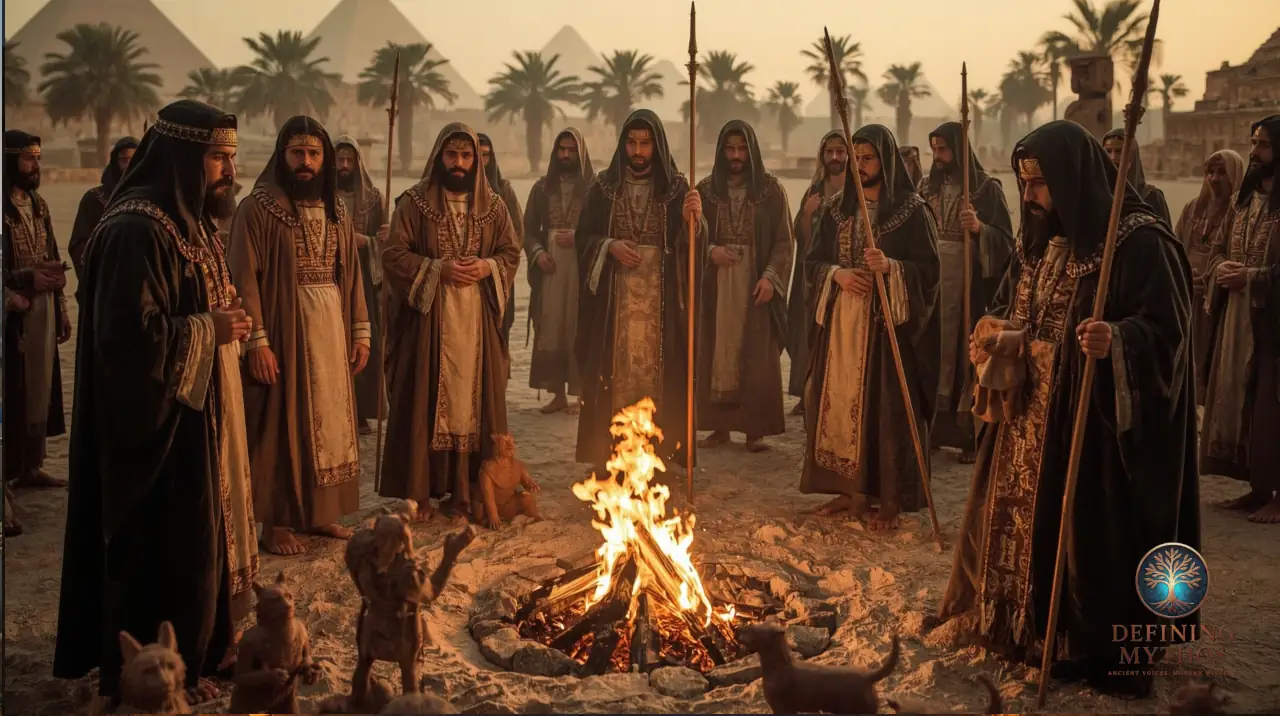
Humans have always been meaning-makers, not passive receivers of facts. We weave events, images, and sensations into stories that explain who we are and what matters. That instinct to connect dots shapes memory, motivation, and the ways societies hold together.
Sometimes, the simplest moments hold the deepest wisdom. Let your thoughts settle, and clarity will find you.
Why the Brain Searches for Meaning
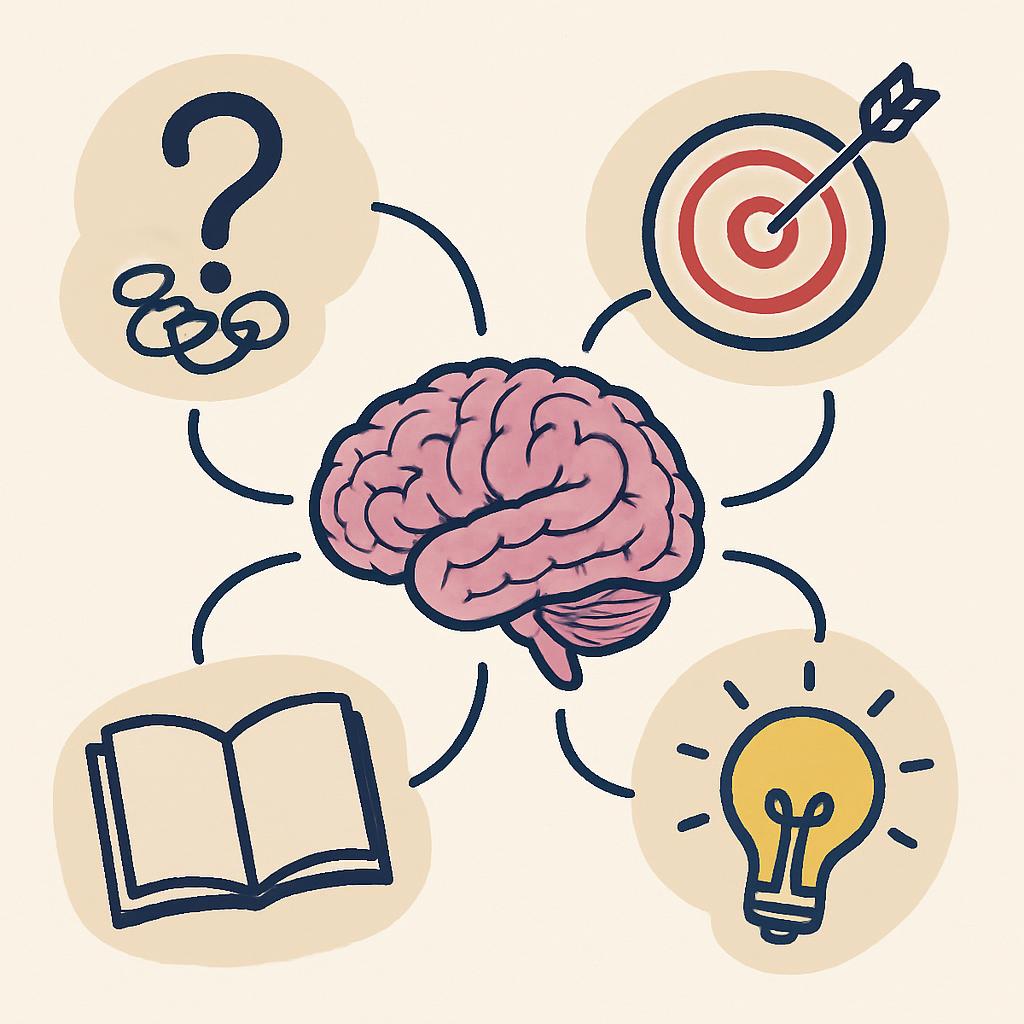
Our brains are wired to look for patterns and purpose because that ability helped our ancestors plan and survive. Seeking meaning supports long-term goals and social cooperation, and it explains why people feel compelled to map experiences onto moral, religious, or ideological narratives.
Culture, Myth, and Symbolic Maps
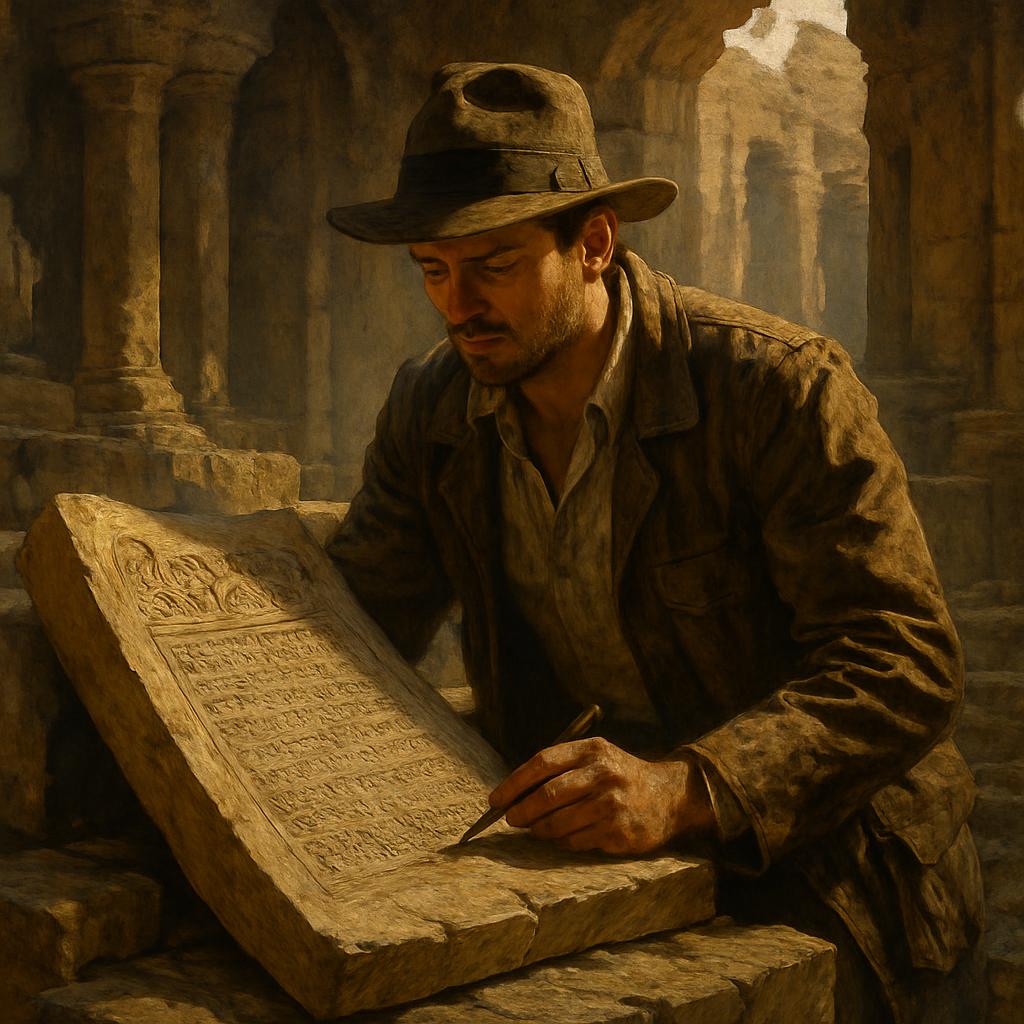
Cultures supply the symbols and stories that become the scaffolding for interpretation. Myths, rituals, and shared narratives act like maps: they give events direction and value, guiding attention and behavior across generations.
How We Build and Organize Meanings
People form meaning by categorizing sensations into semantic spaces—mental maps of concepts and relationships. Psychosemantic research shows these maps vary by experience, emotion, and context, so the same stimulus can hold very different meanings for different people. Methods that probe these maps reveal how personal history and motivation tune what stands out and what is ignored.
The Loop Between Perception and Belief
Perception and belief influence one another in a continuous loop. Beliefs bias what we notice and how we interpret ambiguous information, and those interpreted experiences then reinforce or reshape beliefs. That feedback loop makes meaning-making robust but also explains why false views can persist: the mind favors coherence and story-like explanation over raw randomness.
Practical Takeaways
- Be curious about the maps you use. Ask which stories, symbols, or categories shape your interpretations.
- Test your patterns. Expose yourself to alternative narratives to see what changes in your perception.
- Hold beliefs lightly. Values and frameworks are useful tools, not final answers; flexible maps let you adapt to new evidence and richer meanings.
Meaning is both ancient and living—rooted in our biology, carried by culture, and continually rewritten by attention. Understanding that interplay helps us read our own minds, relate more gently to others, and choose the stories that make life feel both coherent and open to wonder
📚 Sources & Additional Reading
Why Our Brains Are Built to Search for Meaning
Maps of Meaning
Exploring Psychosemantics
Leave a Reply